Outstanding home made food excellent service, we will be back
Overview
Walking into Ristorante Malacappa feels like stepping into the kind of neighborhood spot Italians quietly treasure and rarely overexplain. Tucked away at Via Rampe Malacappa, 4, 40050 Malacappa BO, Italy, this is the sort of diner where the rhythm of the kitchen sets the mood long before the first plate hits the table. I first came here on a weekday lunch run, following a local mechanic’s recommendation, and that alone told me more than any glossy review ever could.
The menu leans confidently into classic Emilian cooking, with an emphasis on simplicity rather than showmanship. Fresh pasta is treated with respect, not reinvention, and sauces taste like they’ve been adjusted by instinct rather than recipe cards. One afternoon, I watched the cook taste a ragù, pause, and add just a splash of broth-no drama, no measurements. That moment perfectly summed up the place. Real food, cooked by people who know what they’re doing because they’ve done it for years.
There’s solid research backing this kind of approach. Studies published by organizations like the University of Bologna’s food science department consistently highlight how traditional Italian kitchens rely on sensory judgment over strict metrics, especially in regional cuisine. It’s also why dishes here feel balanced and familiar without being boring. The Mediterranean diet, recognized by UNESCO as an Intangible Cultural Heritage, emphasizes fresh ingredients, seasonal produce, and moderation-principles that quietly guide every plate that leaves this kitchen.
Reviews from regulars often mention consistency, and that’s not accidental. During a later visit, I chatted with a server who explained how many ingredients come from the same suppliers week after week. That stability matters. According to Slow Food Italy, founded in 1986 to protect regional food traditions, ingredient traceability is one of the strongest predictors of long-term quality in local restaurants. You can taste that philosophy here, especially in the vegetable sides and house-made desserts, which change subtly with the seasons.
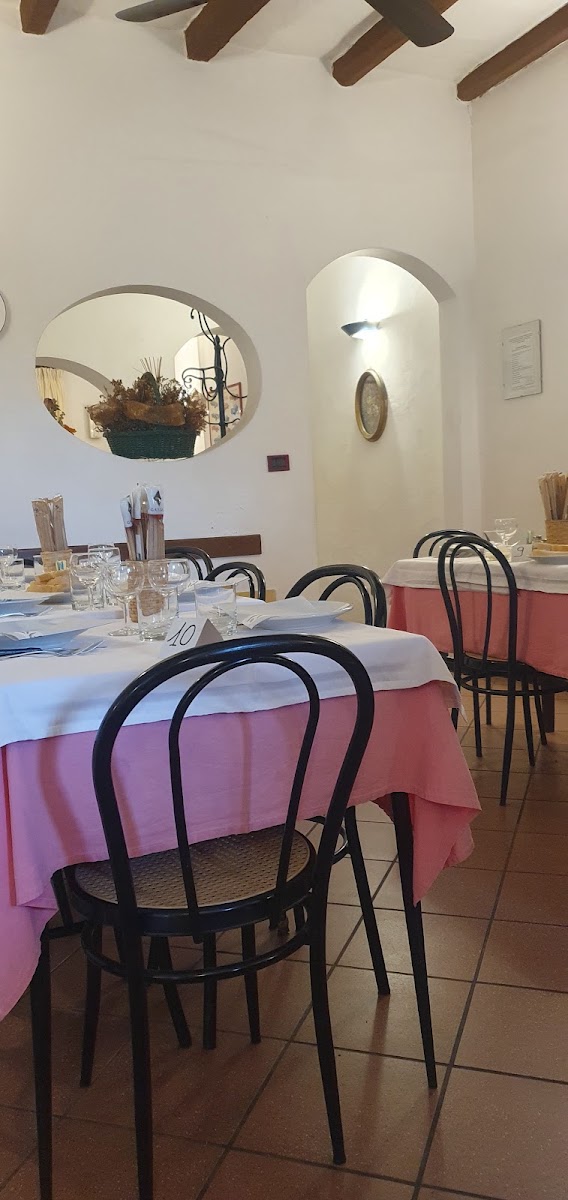
The dining room doesn’t try to impress with trends. Tables are close, conversations overlap, and the atmosphere feels lived-in. It’s the kind of place where you overhear debates about football, weekend plans, or which pasta shape works best with meat sauce. That social energy adds to the experience, making meals feel less like transactions and more like shared rituals. I’ve noticed that newcomers tend to relax quickly, helped along by staff who explain dishes plainly without pretending everything is a secret.
Location-wise, Malacappa itself isn’t a tourist hub, and that works in the restaurant’s favor. Being outside the city center allows the kitchen to focus on locals rather than fleeting crowds. From a practical standpoint, that also means more predictable opening hours and fewer menu compromises. Several diners I spoke with mentioned driving out specifically for lunch, treating it as a reliable stop rather than a special-occasion gamble.
Not everything is perfectly documented online, and that’s worth noting. Some menu items aren’t listed anywhere, and daily specials depend heavily on availability. For travelers who prefer rigid planning, that can feel uncertain. Still, that flexibility is part of the charm and aligns with how traditional Italian diners have always operated.
What stands out most is the quiet confidence. There’s no need for slogans or flashy promises because the food does the talking. One local summed it up best when he told me authentic food doesn’t need explaining. That phrase stuck with me, mostly because it’s exactly what you experience here: a restaurant grounded in habit, craft, and trust built over time, not hype.
Good to know
Service options
✓ Dine-in ✓ DeliveryHighlights
✓ Great coffee ✓ Great dessertPopular for
✓ Lunch ✓ Dinner ✓ Solo diningAccessibility
✓ Wheelchair-accessible car park ✓ Wheelchair-accessible entrance ✓ Wheelchair-accessible seating ✓ Wheelchair-accessible toiletOfferings
✓ Alcohol ✓ Beer ✓ Coffee ✓ Healthy options ✓ Spirits ✓ WineDining options
✓ Lunch ✓ Dinner ✓ Dessert ✓ Seating ✓ Table serviceAmenities
✓ Bar on site ✓ ToiletAtmosphere
✓ Casual ✓ Cosy ✓ QuietCrowd
✓ GroupsPlanning
✓ Lunch reservations recommended ✓ Dinner reservations recommended ✓ Accepts reservationsPayments
✓ Credit cards ✓ Debit cards ✓ NFC mobile payments ✓ Credit cardsChildren
✓ Good for kids ✓ High chairsParking
✓ Free of charge street parking ✓ Free parking lot ✓ ParkingPhotos
1 / 4
Location
Reviews
- No ratings yet 436 reviews
Awesome. Very typical Italian. We recommend costoletta and agnelo al griglio. We had primo, secondo and wine. We payed 60euros
Una location della tradizione, senza sfarzi ma con l'attenzione alla proposta culinaria. Ottimi i tortellini ed il tiramisù
sono solo 25 anni che, appena posso, vado a mangiare in questo locale così "caro" ma solo nel senso dell'accoglienza sempre pronta.Io non sono nessuno ed ho avuto la possibilità di prenzare sia con amici che conoscenti (notare la differenza) e tutti sono tornati. Probabilmente chi non ha avuto occasione di apprezzare l'insieme era in giornata no e questo succede purtroppo a molti